Energy surveys often begin with assumptions. Older walls are blamed for heat loss, roofs are assumed to be underperforming and expensive retrofit projects quickly enter the conversation.
A detailed assessment of a multi-period office building in central Preston told a different story. By combining utility analysis, thermal imaging and environmental monitoring, the project explored how energy was really being used throughout the building.
The building itself was performing reasonably well. Modern glazing, effective ventilation systems and a relatively robust building fabric meant that major insulation projects were unlikely to deliver the quickest or most cost-effective returns and be highly disruptive. Instead, the investigation revealed that energy consumption was being driven primarily by building services and operational practices.
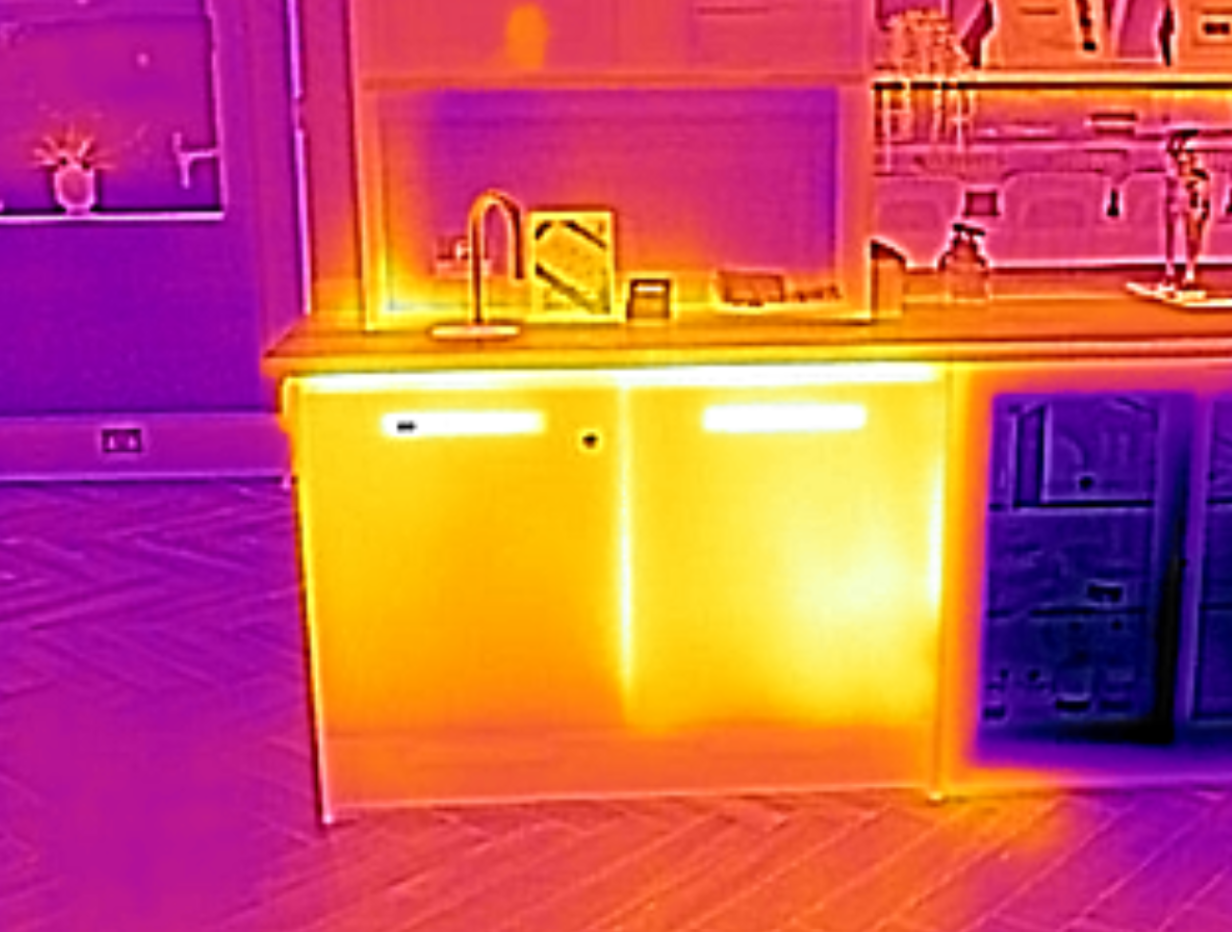
Example of undersink water cooler costing energy and heating the office
Heating systems were working harder than expected, temperatures varied significantly between floors and electricity use remained surprisingly high when much of the building was unoccupied. Monitoring also highlighted opportunities to improve comfort by making better use of different parts of the building, particularly those naturally less prone to overheating.
Rather than recommending disruptive refurbishment, the study focused on improving controls, reducing unnecessary electricity use and optimising existing systems. These relatively simple changes offered significant potential to cut emissions and operating costs while improving the working environment.
It’s a useful reminder that energy efficiency isn’t always about adding something new. Often the greatest value comes from understanding what is already there and making it work better.
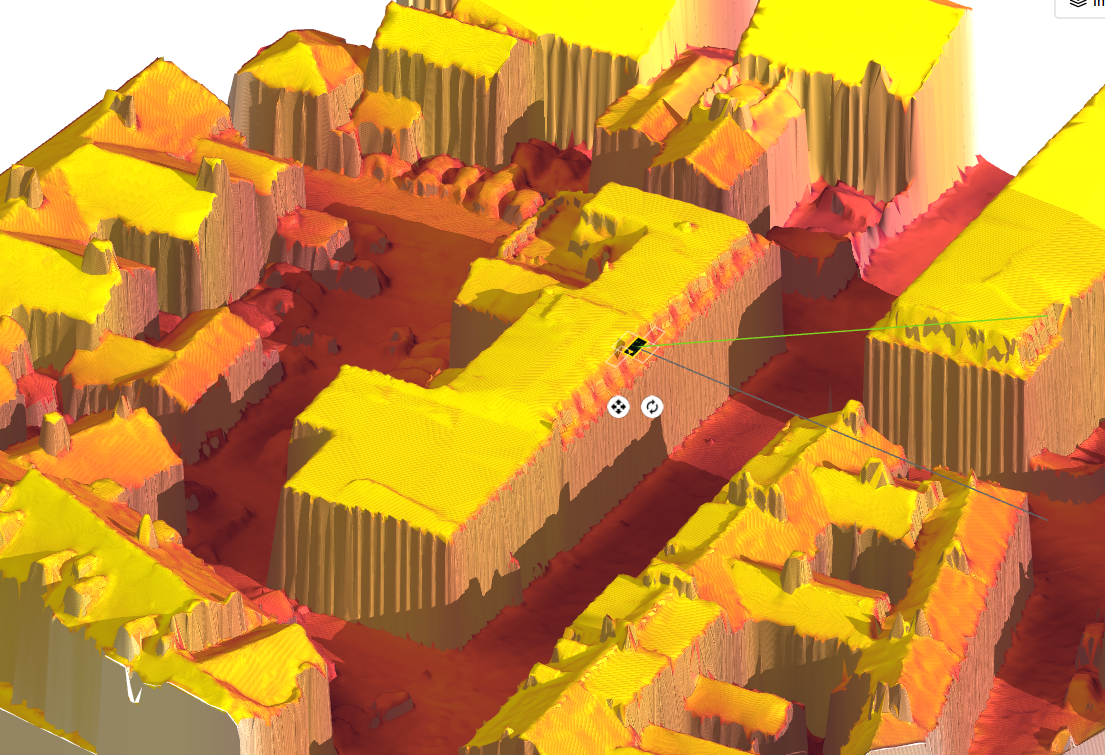
Understanding how the buildings windows get shaded by the neighbouring properties over the course of a year