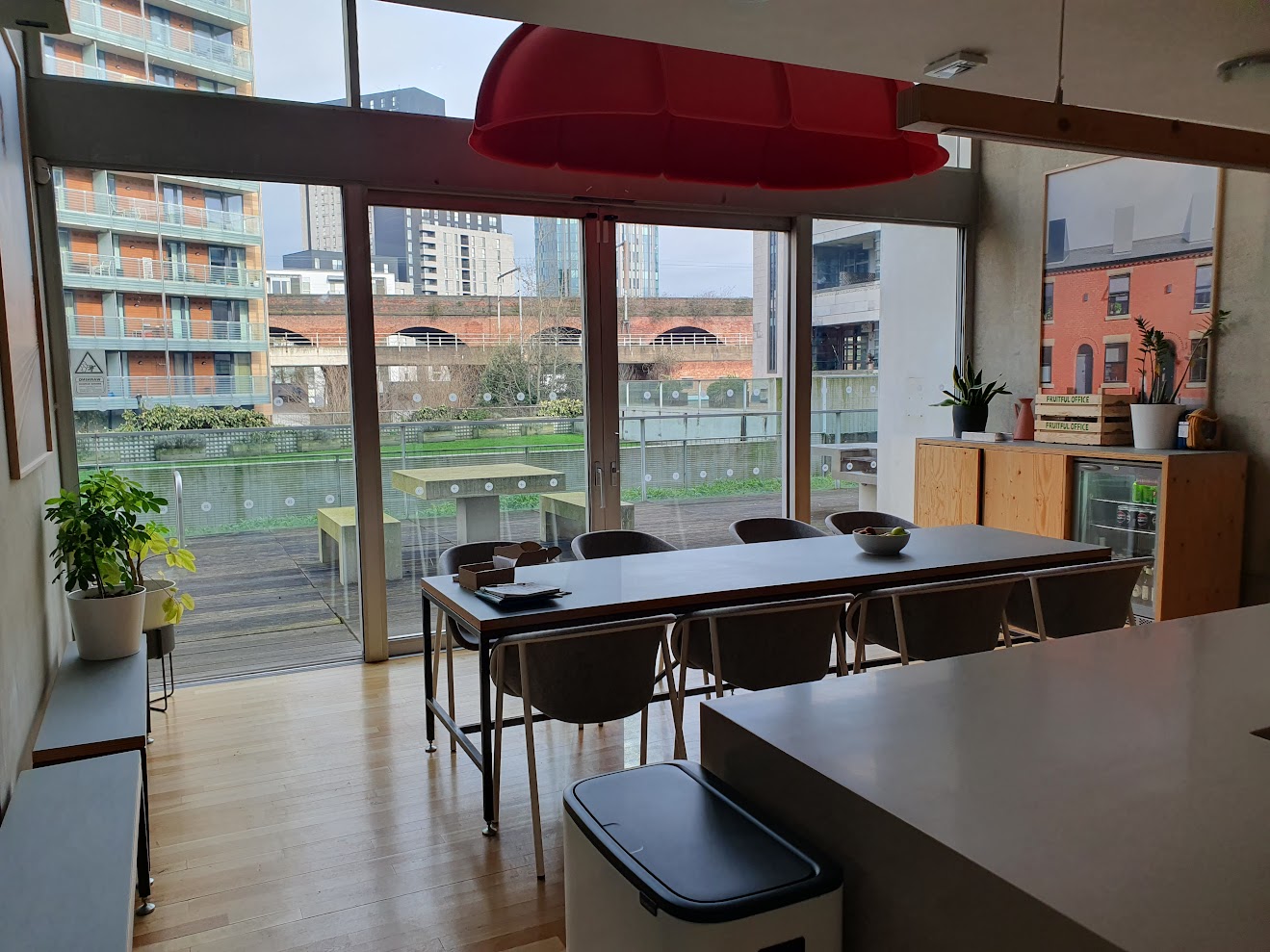
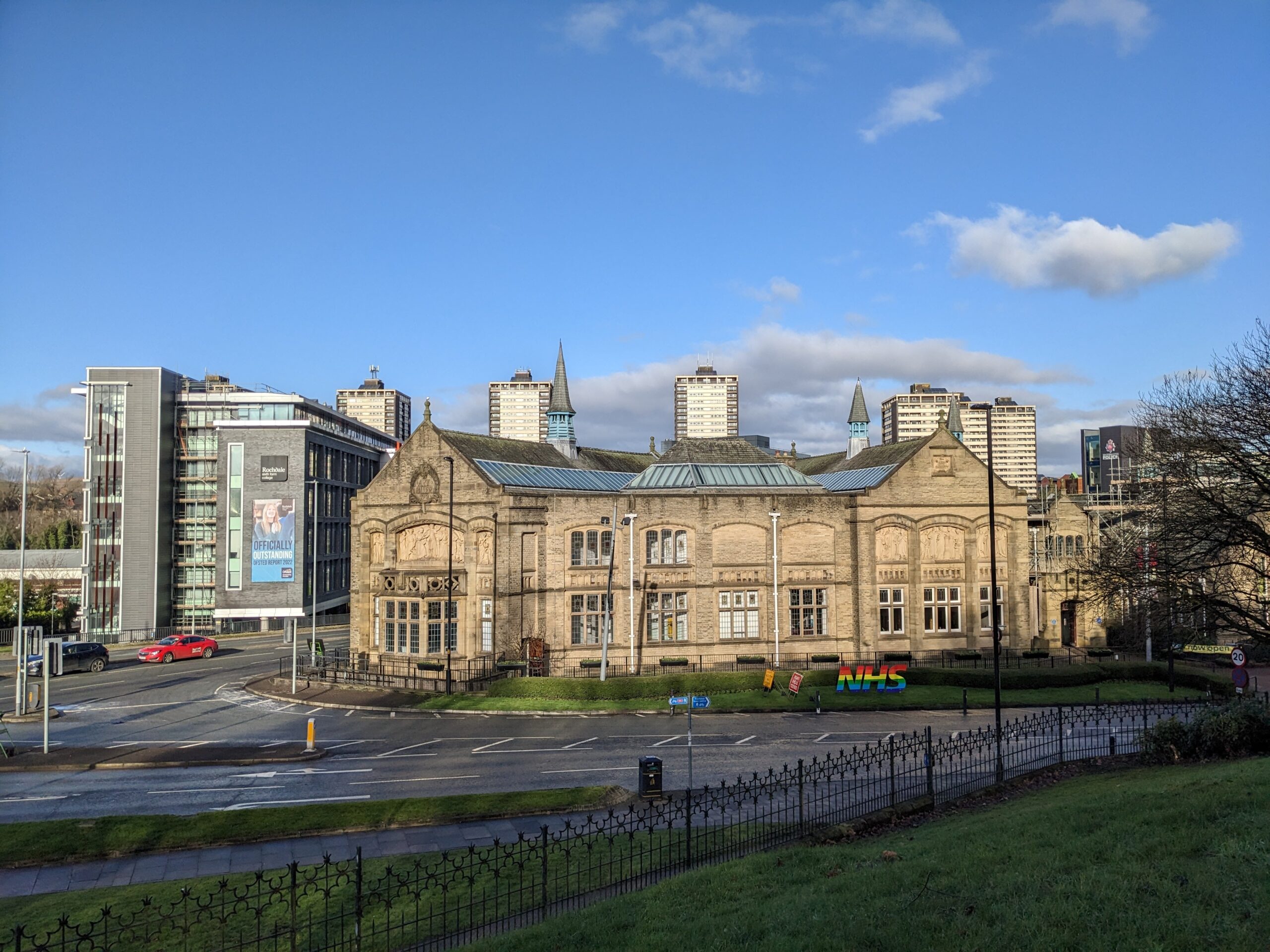
When we were asked to investigate the performance of this modern office building, the client already knew that something wasn’t quite right.
Energy bills were high, temperatures varied across the workspace and there were concerns about whether the building was providing the best environment for staff to achieve their potential. Rather than jumping straight into expensive upgrades, they wanted to understand where improvements would have the greatest impact.
That’s exactly what our building performance assessments are designed to do. Not guessing but measuring what’s actually happening and how to improve it.
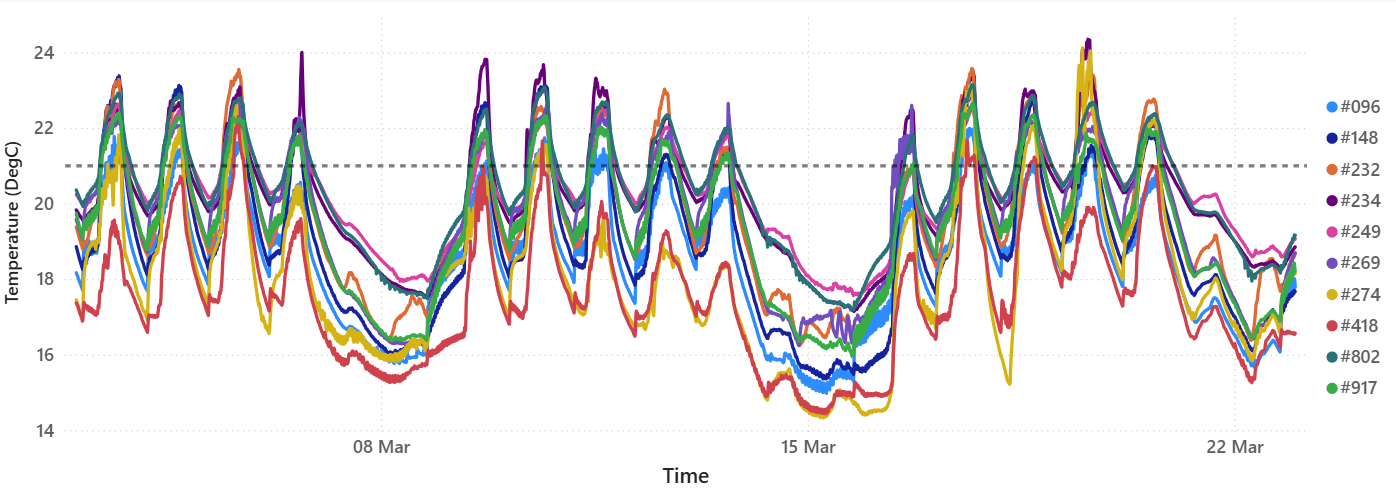
Building temperatures are never constant. They are always changing depending on the weather and occupancy.
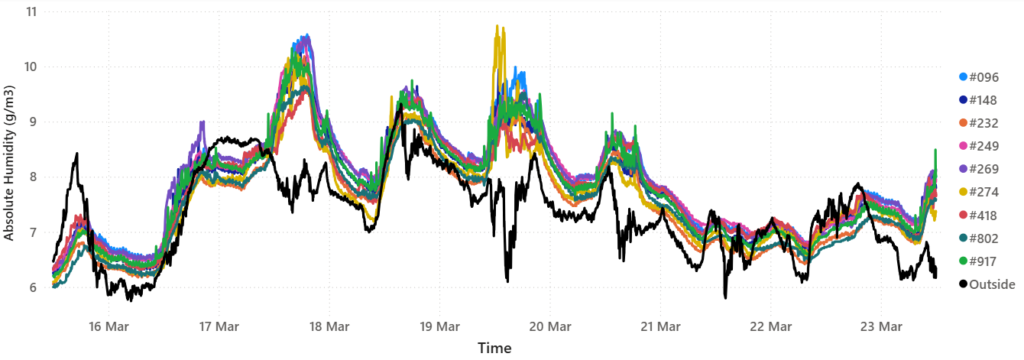
By combining thermal imaging, energy analysis and environmental monitoring, we were able to build a clear picture of how the building was performing and where energy, comfort and productivity were being lost.
One issue stood out above the rest: the heating system.
Although the building relied entirely on electricity, our investigation suggested the existing heating system was working much harder than it should have been doing. At the same time, monitoring revealed periods of elevated CO₂ and indoor pollutants during busier days, highlighting opportunities to improve air quality and workplace comfort.
The solution wasn’t simply to reduce energy consumption, it’s looking holistically at what interventions will give the greatest improvement across multiple areas.
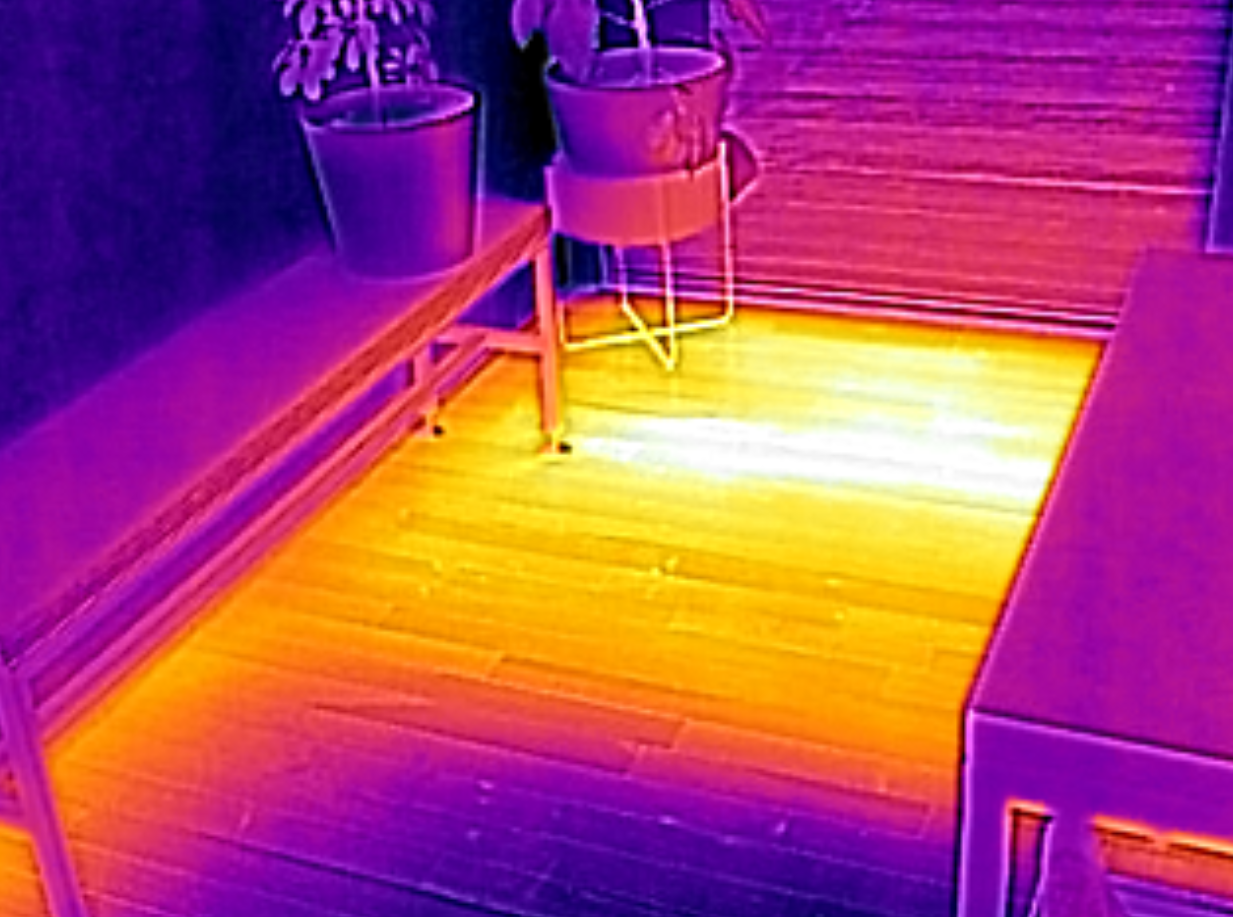
Electric underfloor heating. Some sections had failed and some were conducting a sizeable amount of heat outside rather than inside.
By replacing the ageing electric heating system with modern heat pump technology, the building has the potential to dramatically reduce heating costs and carbon emissions while providing more consistent temperatures throughout the year. Adding controlled ventilation would further improve air quality, helping create a healthier and more productive workplace for the employees.
Like many buildings, there are still future opportunities to improve the fabric and reduce energy demand further. However, our assessment showed that the greatest gains could be achieved by focusing first on the systems that have the biggest impact on how the building feels and performs every day rather than the traditional fabric first approach.
This project demonstrates how understanding a building before investing in upgrades can lead to better decisions, lower carbon emissions and more comfortable spaces for the people who use them.