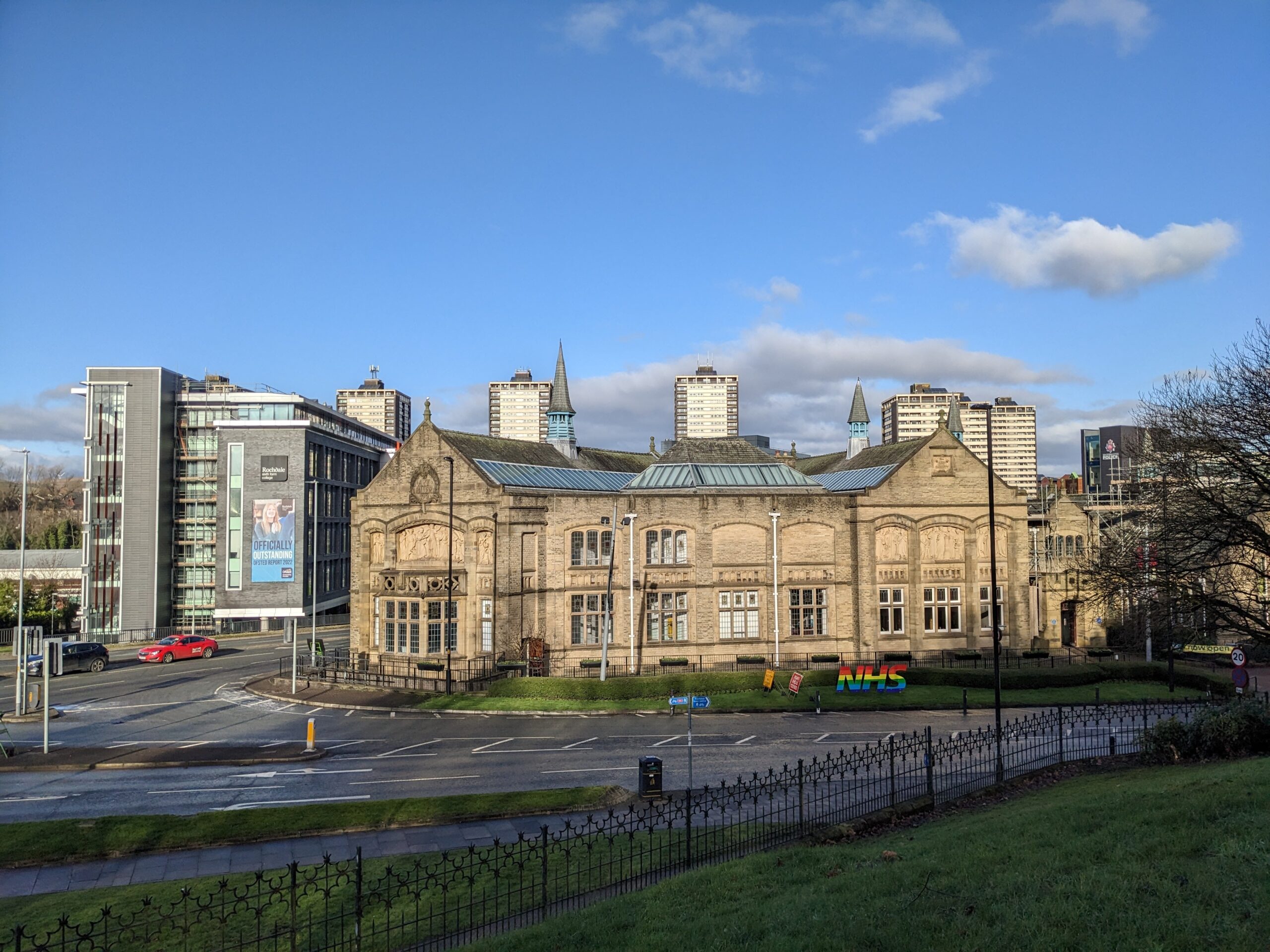
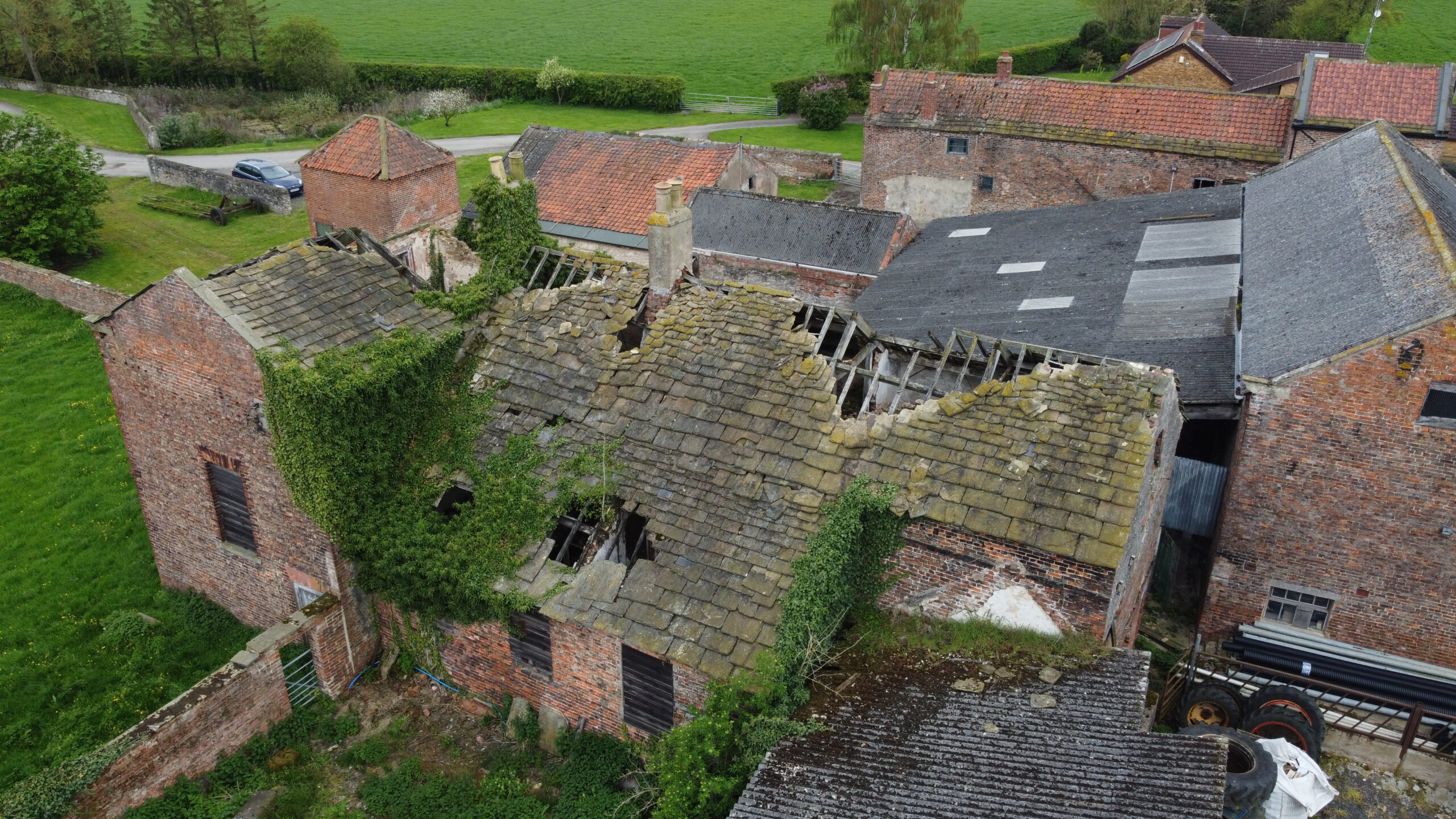
When this church community building approached us about helping with its journey towards net zero, there was an assumption that major upgrades might be needed.
What we found was something quite different.
The building had already benefited from years of careful maintenance and investment. Modern boilers, upgraded glazing and good levels of roof insulation meant it was performing far better than many similar buildings of its age.
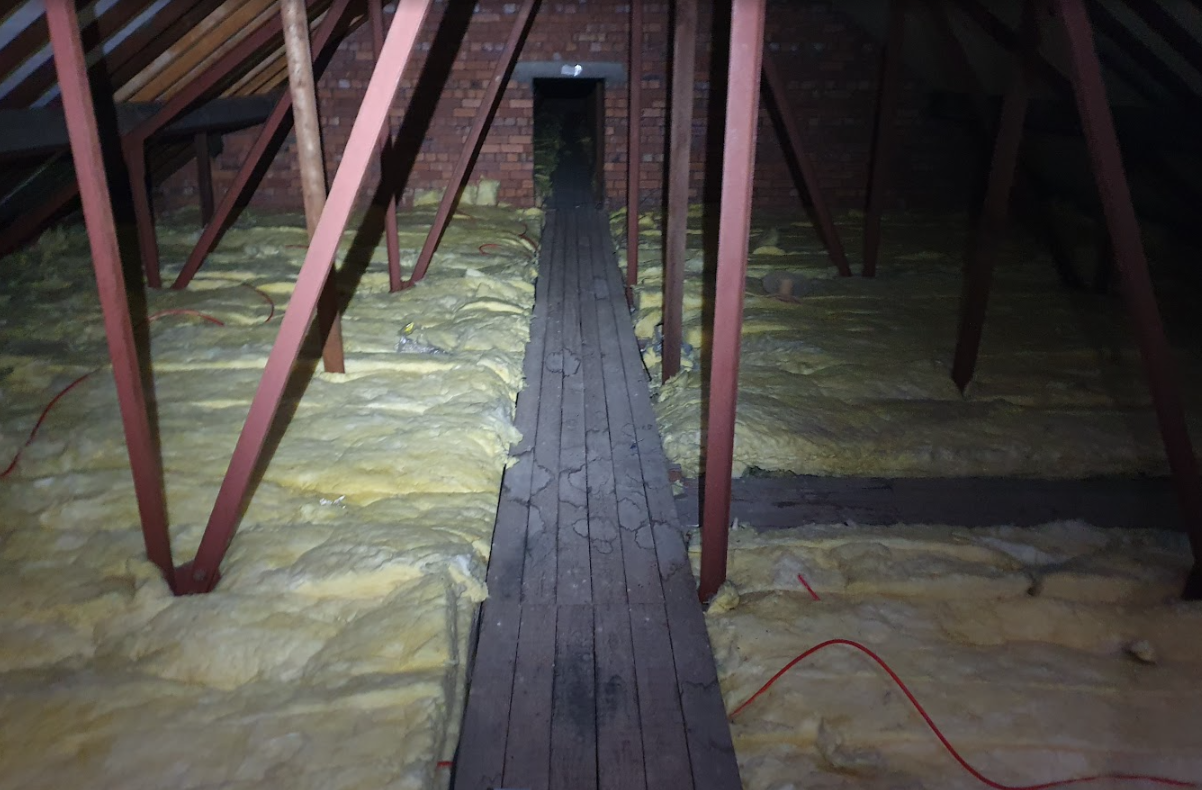
Building roof had already been insulated to a high level
Rather than searching for problems, our role became identifying the most sensible next steps. Often with community buildings it’s making small improvements that firstly generate higher occupancy that then generate momentum towards bigger changes.
Through thermal imaging, energy analysis and environmental monitoring, we explored how the building was performing and where future investments would deliver the greatest impact.
The biggest opportunity wasn’t additional insulation or major alterations.
Instead, it was creating a long-term plan to move away from fossil fuel heating. The church was already interested in solar PV and battery storage as a practical way to reduce emissions, generate electricity on site and prepare the building for future electrification. We could review their quotations, which specification was probably most appropriate for their use and how to get the most from these systems in the future.
The result was a clear roadmap towards net zero, giving the building’s custodians confidence that future investments could be targeted where they matter most.
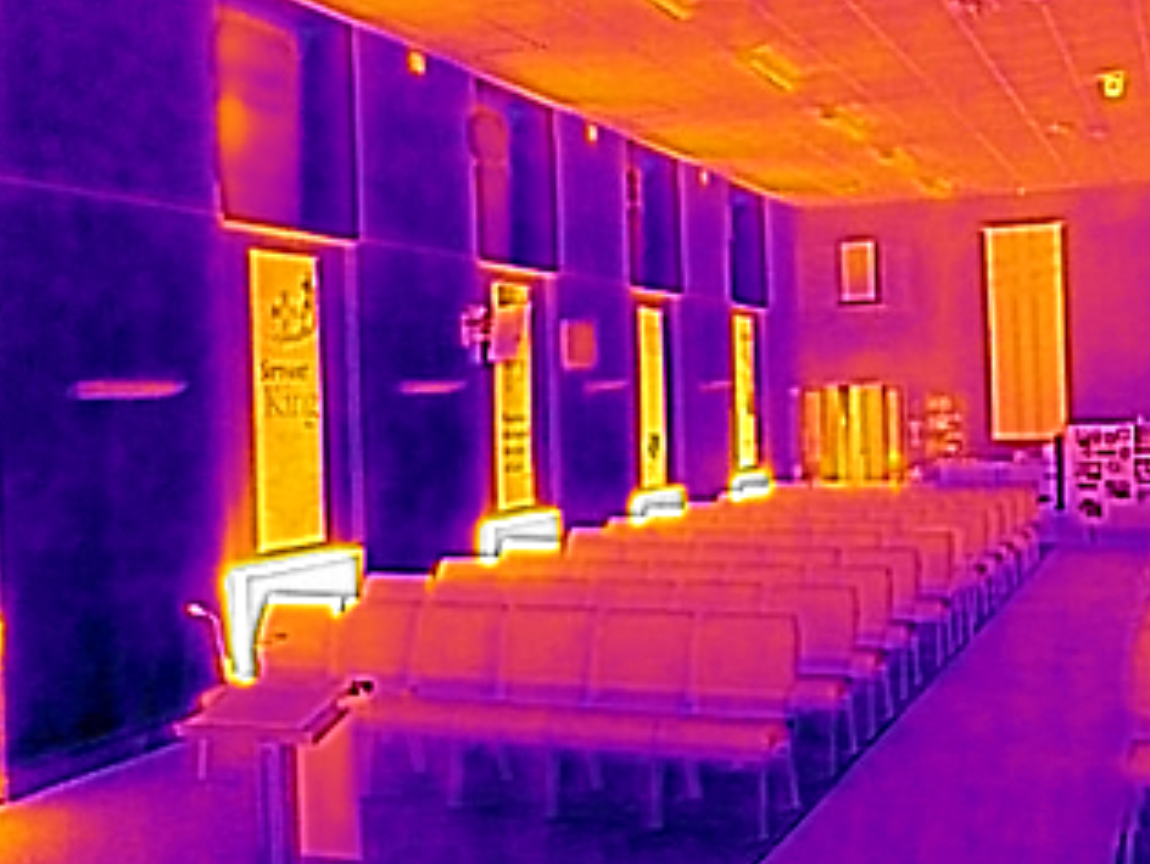
The heating system had been well maintained and was running efficiently with low bills for the buildings scale