When we were asked to investigate condensation and mould issues in a historic church, it would have been easy to focus on the visible symptoms.
The real challenge was understanding the root causes of why they were happening.
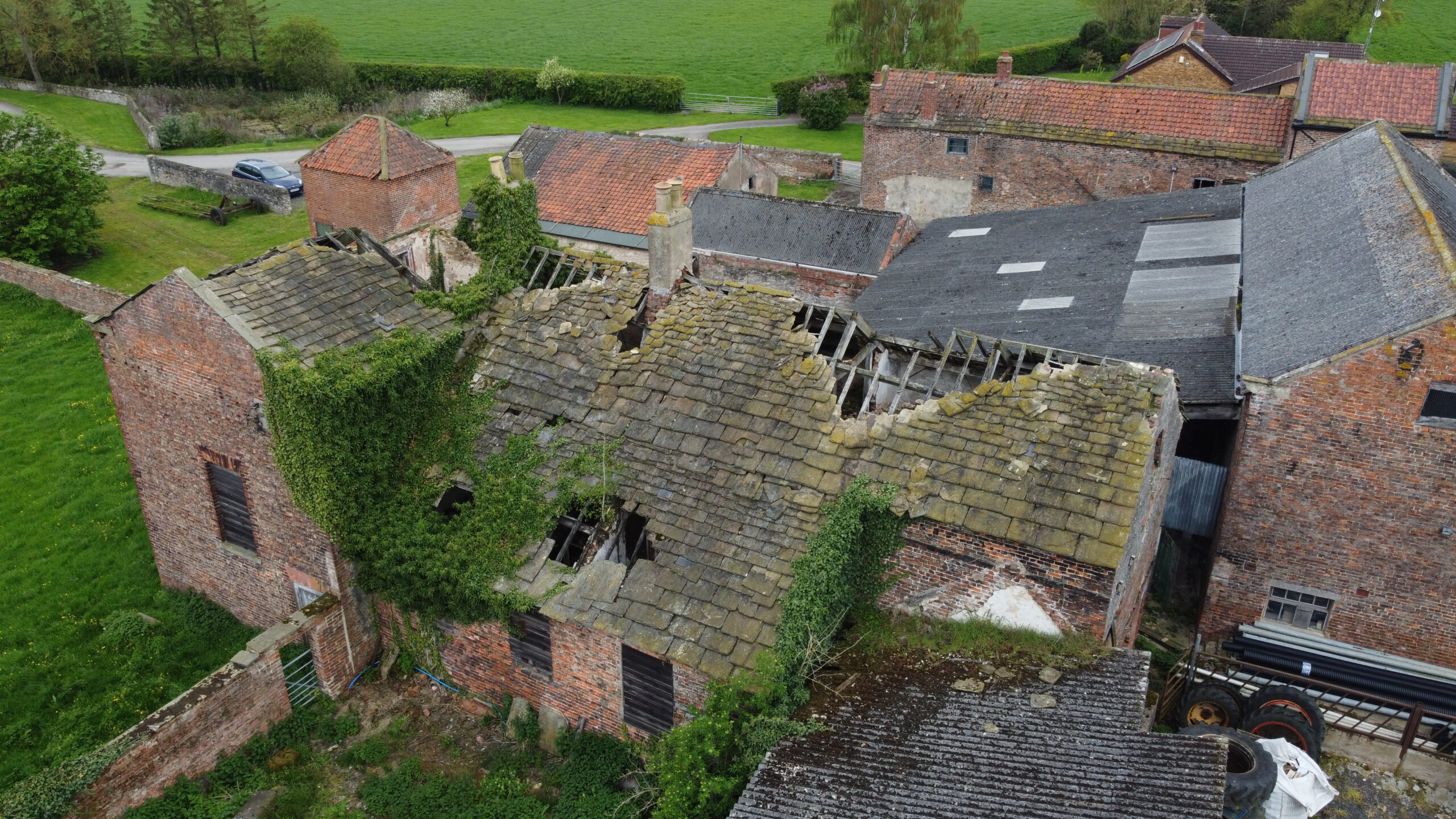
Through thermal imaging, environmental monitoring and a detailed review of the building, we discovered that the church wasn’t suffering from a single major defect. Instead, several smaller issues were combining to create the problem. A roof leak was introducing large amounts of moisture into the building, while the main heating system was no longer operational and the building was struggling to dry itself naturally as wasn’t getting consistent ventilation.
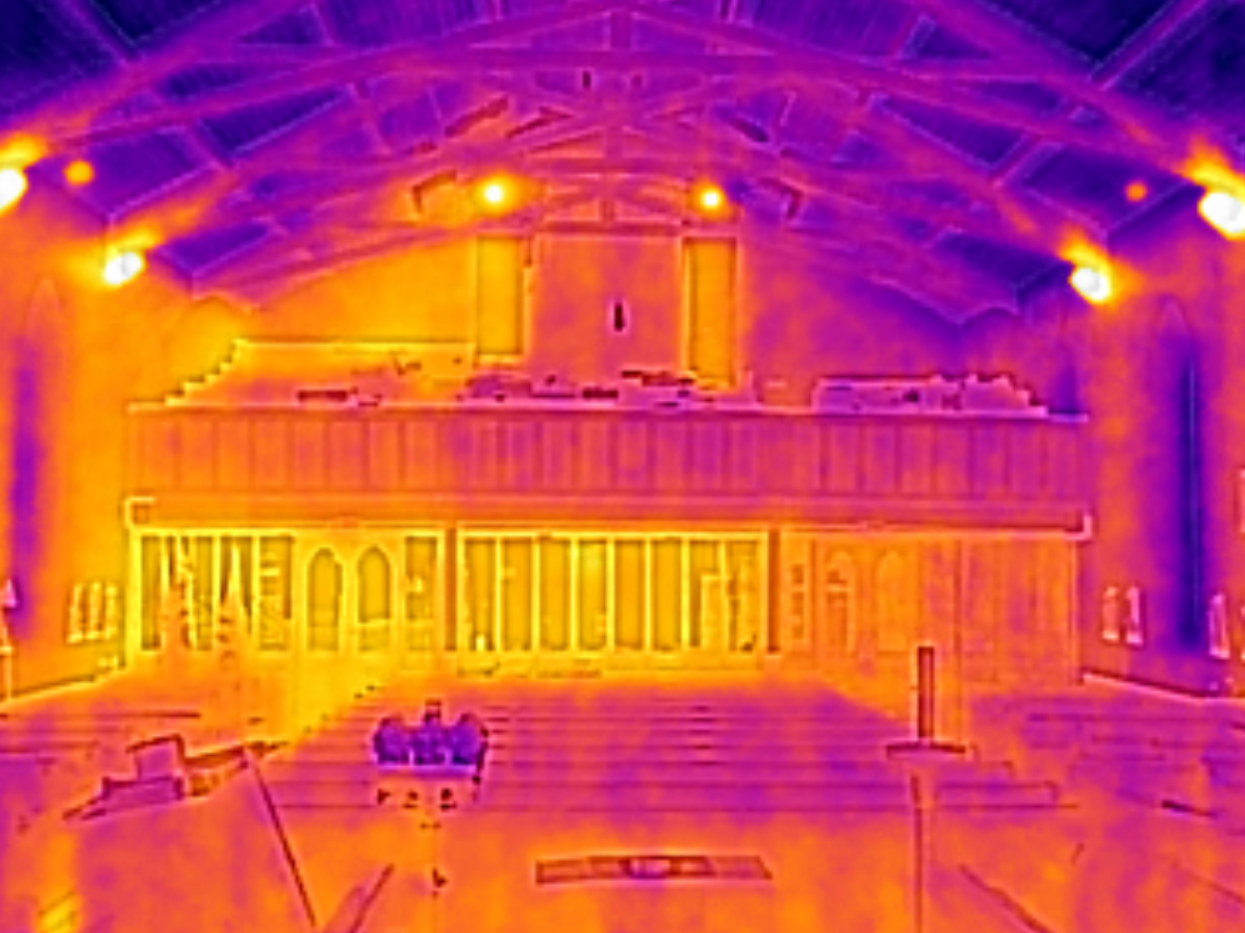
The sun plays a large role in unheated buildings
Rather than recommending expensive interventions, we firstly focused on the fundamentals.
The first priority was stopping water entering the building. The second was bringing the existing heating system back into operation so it could provide the gentle background heat needed to reduce moisture levels and protect the building fabric.
The result was a practical, phased strategy that addressed the underlying causes of the problem while creating a pathway towards future improvements, including renewable heating and solar generation.
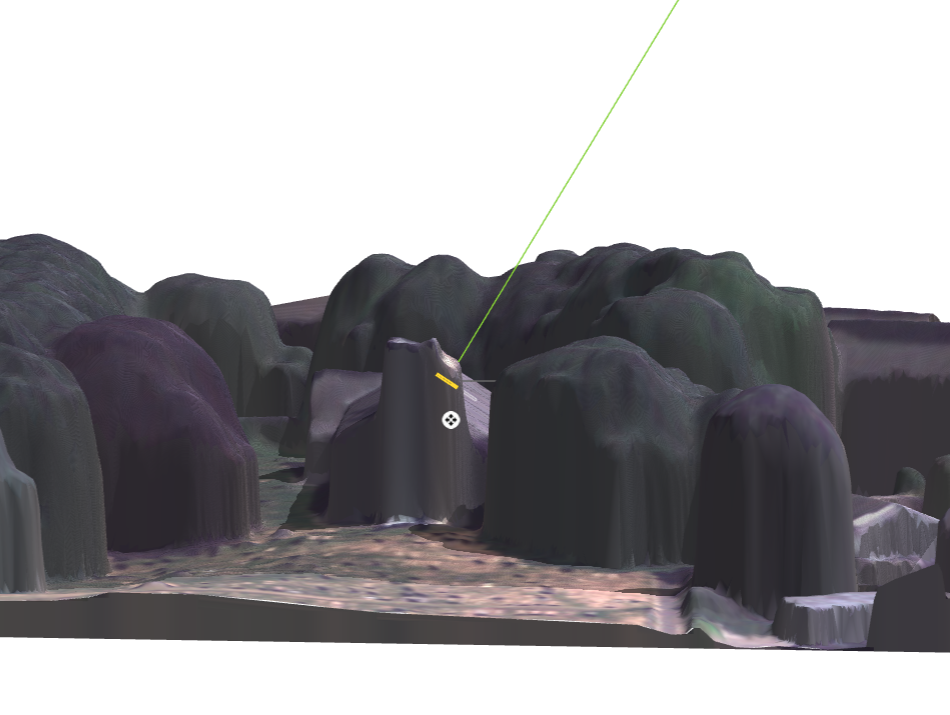
Exploring the amount of solar generation potential for the church