5 Ways Energy Efficiency Can Improve your Bottom Line
It will come as no surprise that we use energy in everything we do, but what may be news to you is that every process we undertake has some loss associated with it. For example, did you know that for each time you fill your car with petrol, only approximately one third of that fuel ends up driving your car forward? The other two thirds are lost in the process of converting the fuel you purchased into motion.
Here at Woohoo, we aim to identify the losses within a building and make them visible, with the aim of minimising them as much as possible, thus improving energy efficiency. In this blog, we’ll look at just five of the ways energy efficiency can improve the efficiency of your workspace, and ultimately, your bottom line.
Radiator Performance
Heating is usually the largest energy usage within a building, and in turn can offer the highest costs. Some simple steps can make sure you are getting the best of the system you have; these include:
- Ensuring radiators are clean and have space around them for the air to move. Dust is a pretty good insulator, and therefore reduces the heat coming from a radiator. Ensuring they are not covered and have good airflow will enable more heat to get into the room, instead of escaping elsewhere.
- Bleeding radiators is the process of releasing trapped air in them, so they work at their best. By doing this, you allow them to heat the space most effectively and reduce energy loss.
- Balancing radiators is the process of adjusting the flow in each radiator so all rooms in a building heat up at the same rate. This saves energy as there will be rooms that are overheated, and these rooms will in turn be trying to heat the colder rooms, which take more energy. Additionally, the flow temperature from the boiler can possibly be reduced which potentially reduces energy usage even further.
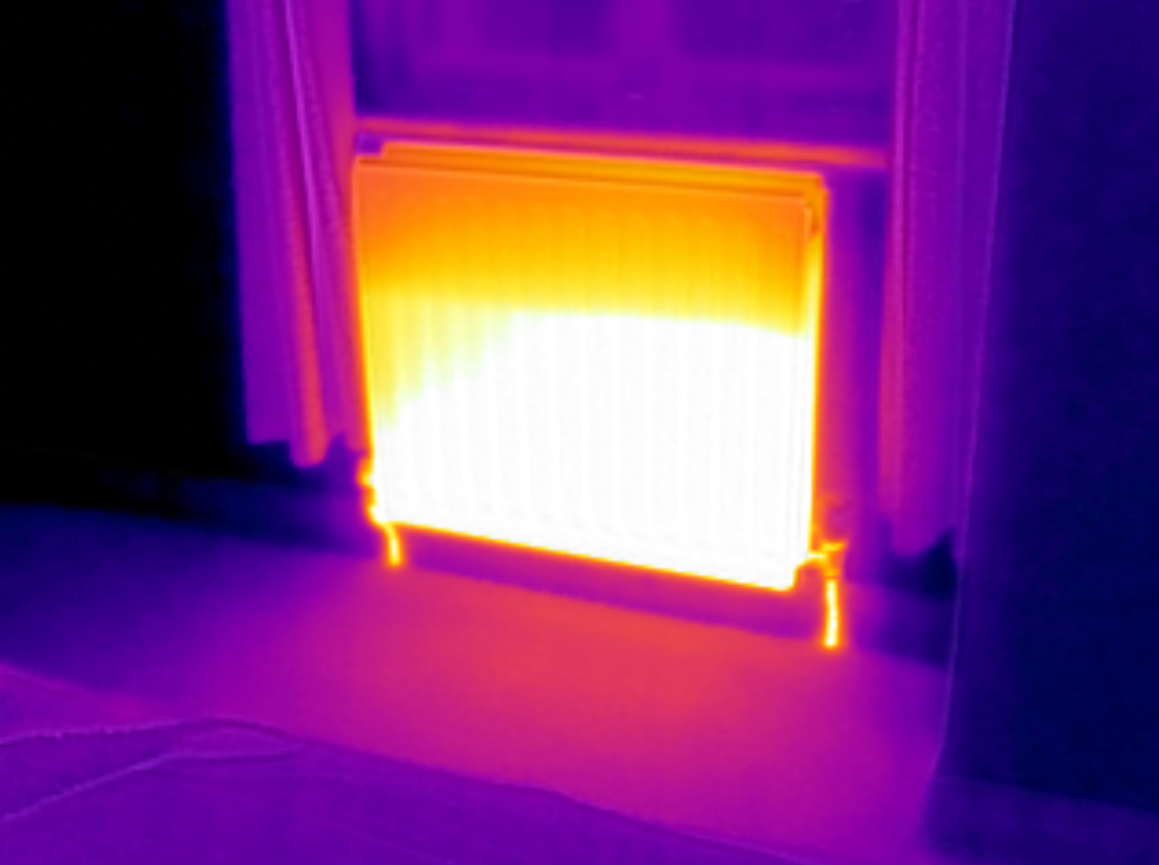
Thermal Imaging: Non Bled Radiator
Lighting
Lighting is one of the key factors that determine how comfortable a building is. With the introduction of LED lighting, the amount of energy it takes to illuminate a room is significantly less, and currently, there is almost always an LED equivalent of an existing high energy usage light, making improvements particularly convenient!
Switching to LED lighting in heritage buildings is very possible with the variety of options available and usually desirable to help show a buildings heritage assets.
A lot of the benefits of good lighting are indirect and often much more sizeable than the direct running costs.
- Look for opportunities to replace older lighting technologies such as fluorescent tubes or halogen with LED; the reduced maintenance can often be significant with LEDs lasting significantly longer.
- ‘On’ time of lighting can always be reduced either through motion sensors, timers or changing of habits. Taking these opportunities where available can yield good cost reductions.
- A well-designed lighting system can change a building. Where possible, involving a lighting designer in renovations can really improve a building. This will ensure each area is illuminated as required, the colour of LED light is comfortable for its occupants, and it is a space that people want to occupy. If a good lighting system means a space attracts more people, this in turn has knock on effects such as potentially less heating requirement, more revenue for maintenance etc.
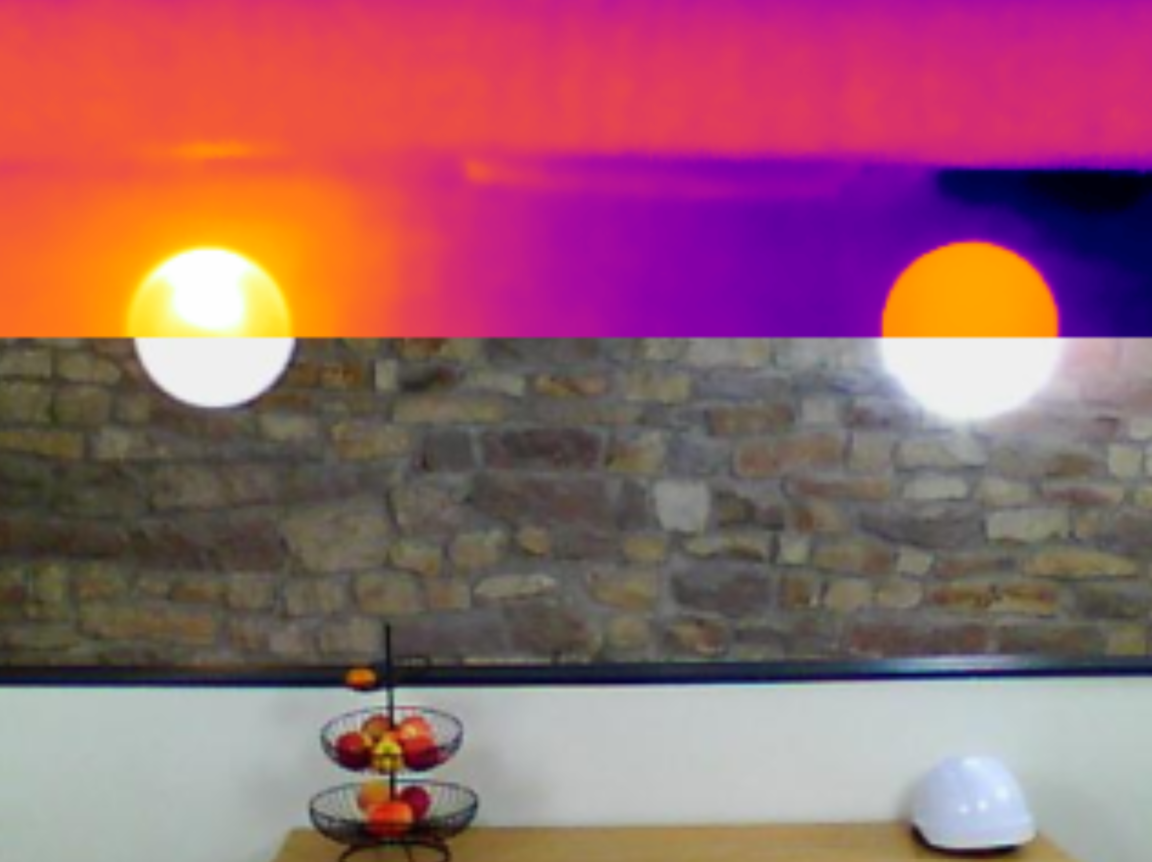
Thermal Imaging: LED Lighting
Energy Generation (Solar Panels)
Generating your electricity requirements on site can significantly help to minimise losses. For most, solar panels are a potential option with minimal maintenance, payback periods often below 10 years, and lifetimes of over 25 years. They can also reduce dependency and load on the national grid.
If the electricity is primarily used at site, they make great financial sense particularly for businesses with high electricity requirements during daylight hours.
In exposed, rural locations, wind can be a more cost-effective option, but this typically has higher upfront costs and more maintenance from the continuous moving parts.
Appliance Usage
Modern buildings are typically filled with an abundance of appliances, all of which will be generating differing amounts of heat. The larger consumption items can be anything that handles heating or cooling of water such as fridges, freezers, washing machines, dishwashers and tumble driers along with cooking appliances.
Modern computers and phones, with all their processing power, also consume large amounts of energy, which is wasted as heat. As an example, in an office, each computer is typically adding an additional person’s worth of heat, which is why in the summer months offices are particularly at risk of overheating.
Whilst the energy these waste does heat the building to a degree, there are more efficient ways of heating a building.
Think about reducing the ‘on’ time of appliances where possible, and when replacing high consumption appliances such as fridges/freezers, the highest efficiency models should be chosen.
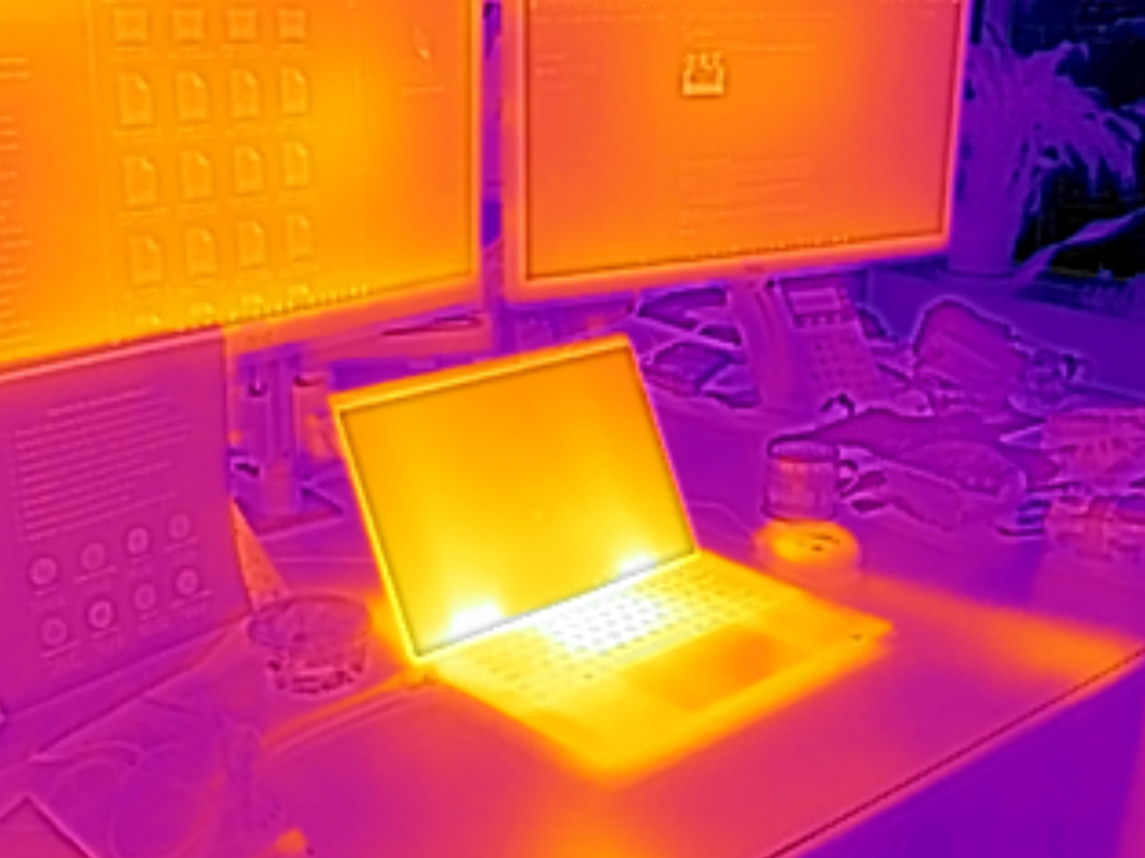
Thermal Imaging: Laptop Wastage
Ventilation
Each internal room of a building requires some degree of ventilation to refresh the air within it. This removes contaminants, replenishes oxygen, removes the excess water vapour and aids with moving warm air around a building to heat it.
Too little ventilation and the occupants have a higher risk of illness, and the building will decay faster. Too much ventilation and the building may feel cold and cost significantly more to run. Here are things to think about when ventilating your workspace:
- In domestic homes, gentle managed background ventilation through trickle vent use will lead to healthier occupants and reduced energy consumption from damp building fabrics.
- In warehouse environments or churches with high ceilings, de-stratification fans can be used to circulate the air and prevent hot air accumulating in the top of a room.
- Draught proofing windows and doors can reduce the amount of uncontrolled ventilation reducing energy consumption.
- During refurbishment Mechanical Ventilation and Heat Recovery Systems (MVHR) could be added to recover the lost heat from ventilation whilst actively managing the indoor air quality.
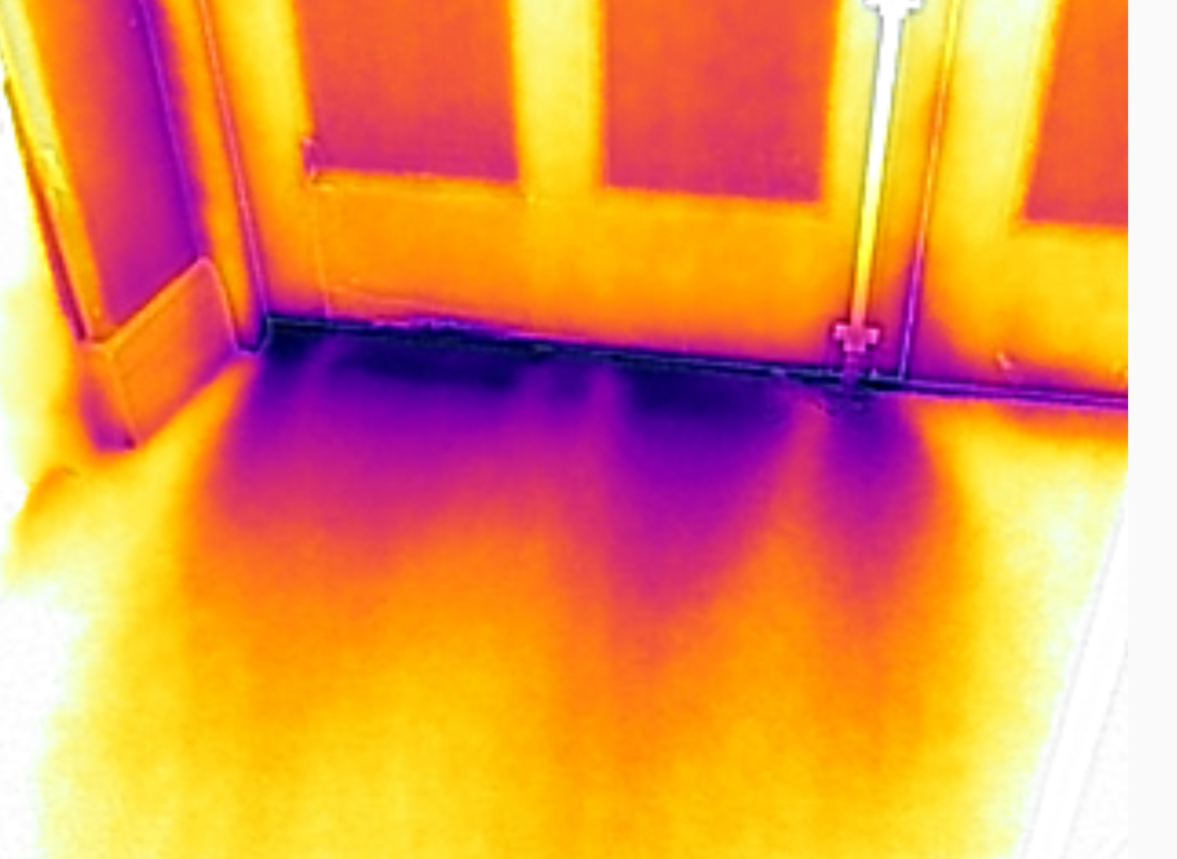
Thermal Imaging: Draft Under Double Door
Transportation
Whilst transportation is not directly building-related, reviewing all aspects of the transportation needs within your business can significantly help bring down ongoing costs. Generally, transportation uses a lot of fossil fuels and is typically inefficient at converting the energy in fuel to heat, and subsequently in motion. In turn, transporting anything is expensive and has lots of losses and greenhouse gases associated with it.
Looking at any opportunities to reduce transportation mileage has the potential to yield gains:
- Firstly, and perhaps most obviously, ask the question ‘do we need to make the journey, or transport that item?’ Any reduced mileage or reduction in weight transported will save costs. This could be as complex as establishing if a business is in the correct place geographically, down to ensuring a van is not carrying too much excess weight on a daily basis.
- If the journey is necessary, can it be made more efficient. Petrol and diesel vehicles are much less efficient compared with their electric counterparts. Car sharing also saves costs and emissions, and the use of public transport uses even less energy. If items are being shipped, can they be shipped by sea, which may take longer but is significantly cheaper than flying. Sending items over a longer time frame costs less and has less energy and emissions associated with it.
- Lastly, is the most efficient route being chosen for the mode of transport. For a motor vehicle, the amount of energy a journey takes is dependent on how fast we want to get there. A route may be the quickest, but we may have travelled many additional miles and at a higher speed to get there. Choosing a shorter, that is slightly slower, will save a significant amount of energy.
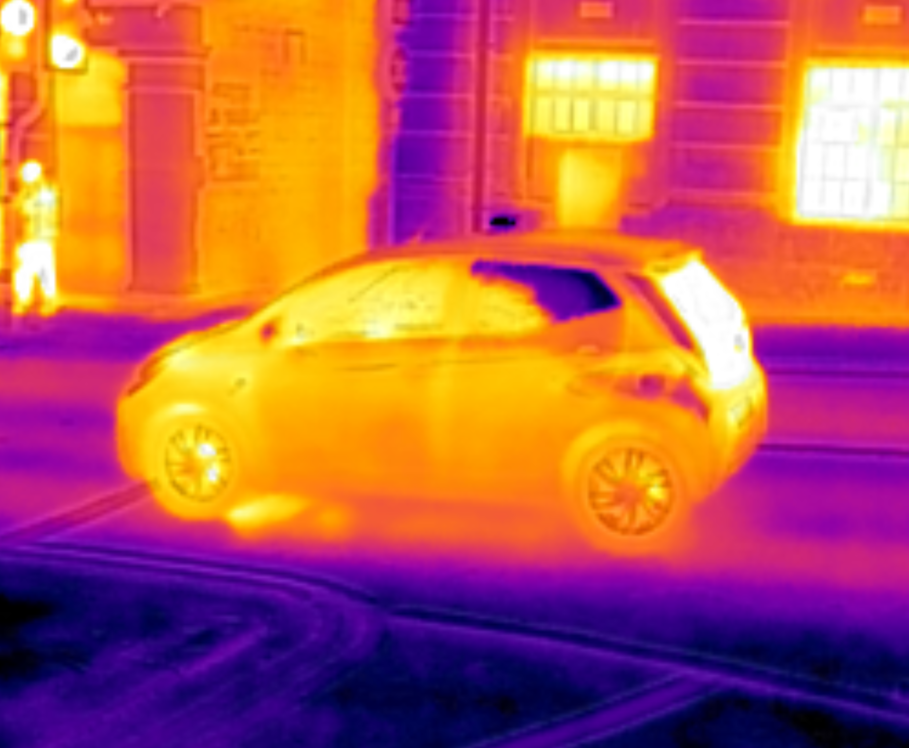
Thermal Imaging: Car
Get in Touch
If you’re unsure where to start with improving the efficiency of your building, be sure to contact Woohoo today and we can off you the support and guidance you need to get the best out of your workspace.